Hemp as a tool in the fight against climate change
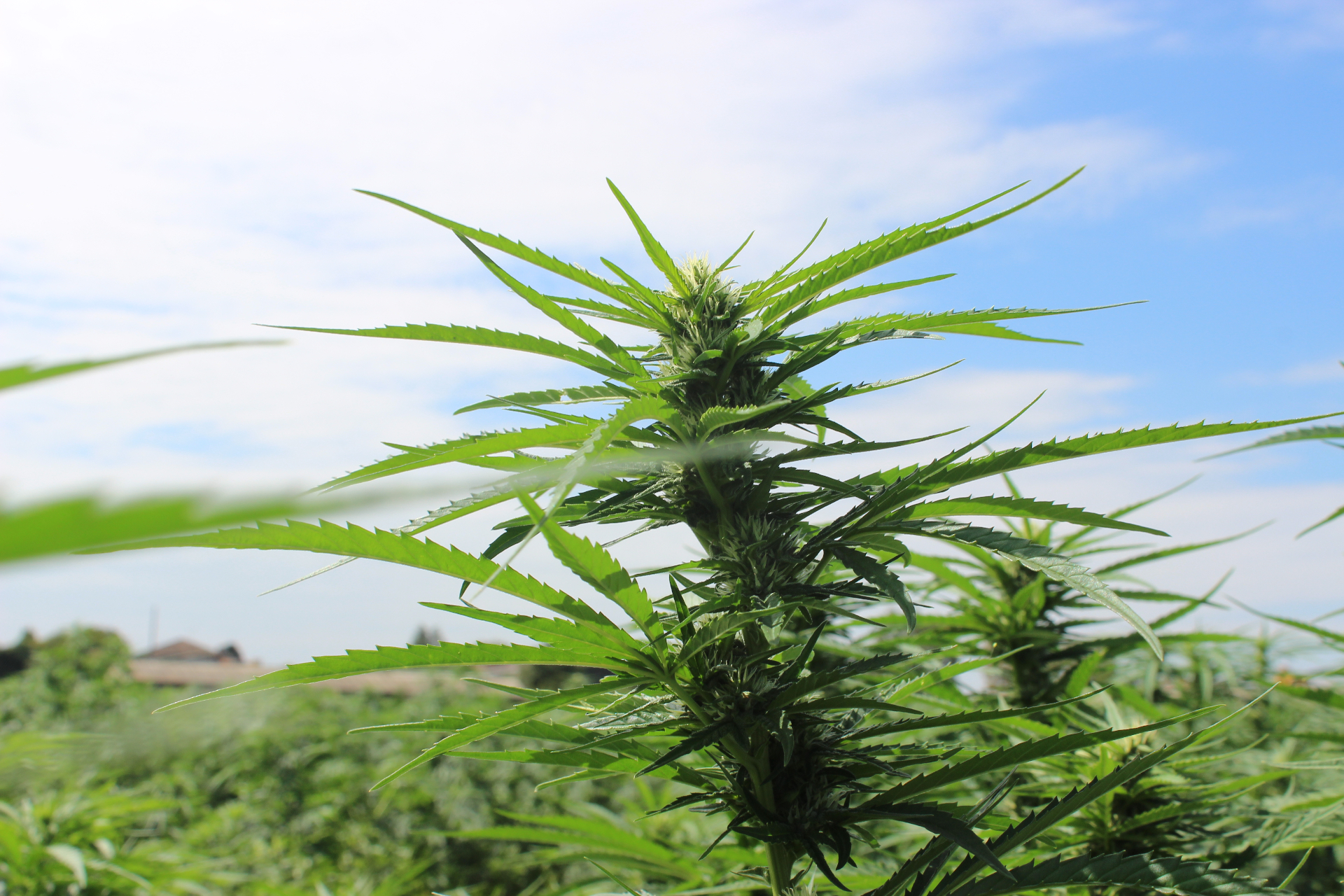
It has long been accepted that trees are a key part of the solution to rising carbon levels in the atmosphere. Like other plants, trees absorb and store carbon during photosynthesis. While many look to forests for an answer to climate change, more recent studies suggest there may be an even more efficient plant for lowering carbon levels: hemp.
Several independent studies have shown that industrial hemp is, on average, twice as effective at capturing carbon from the atmosphere as trees. According to Cambridge University researcher Darshil Shah, a typical forest absorbs 2 to 6 tonnes of CO₂ per hectare per year, while industrial hemp absorbs between 8 and 15 tonnes per hectare per year once cultivated. In both cases the amount of captured carbon is influenced by many external factors such as climate, species and growth year.
More than carbon capture
The benefits of industrial hemp do not stop there. Even the soil benefits, as hemp absorbs heavy-metal toxins such as cadmium, lead and mercury. Hemp also grows well in poor soil and can play a major role in the future of agriculture through land reclamation.
Hemp can be used across many industries — textiles, medicine, even construction — while still locking carbon into its fibres. Because of how efficiently hemp absorbs carbon during growth, it is in many cases considered a carbon-negative crop: the carbon released during processing does not exceed what has already been absorbed during its growth phase.
Canavita's footprint
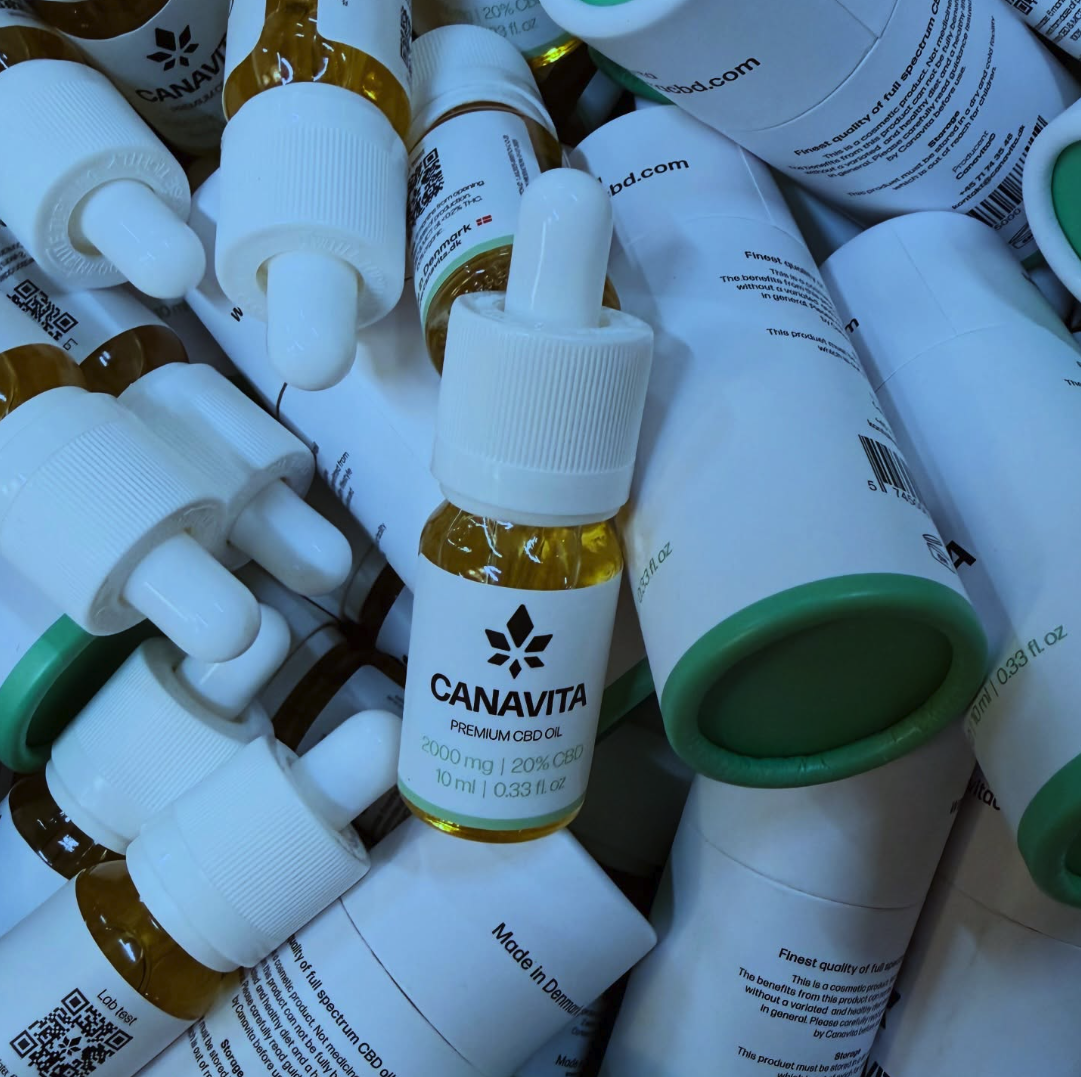
For our 2023 production year, Canavita expects to extract CBD oil from 6 tonnes of harvested hemp, corresponding to roughly 4 hectares of land. The plants will have grown for 4 to 5 months before harvest. During that time, those 4 hectares of hemp will have absorbed between 10 and 20 tonnes of CO₂ from the atmosphere.
For further reading we recommend exploring the research by Dr. Darshil U. Shah at Cambridge University and the agricultural research by the non-profit soil lab Hudson Carbon.